Community Outreach and Awareness Creation about Lymphatic Filariasis
Translating data into action.
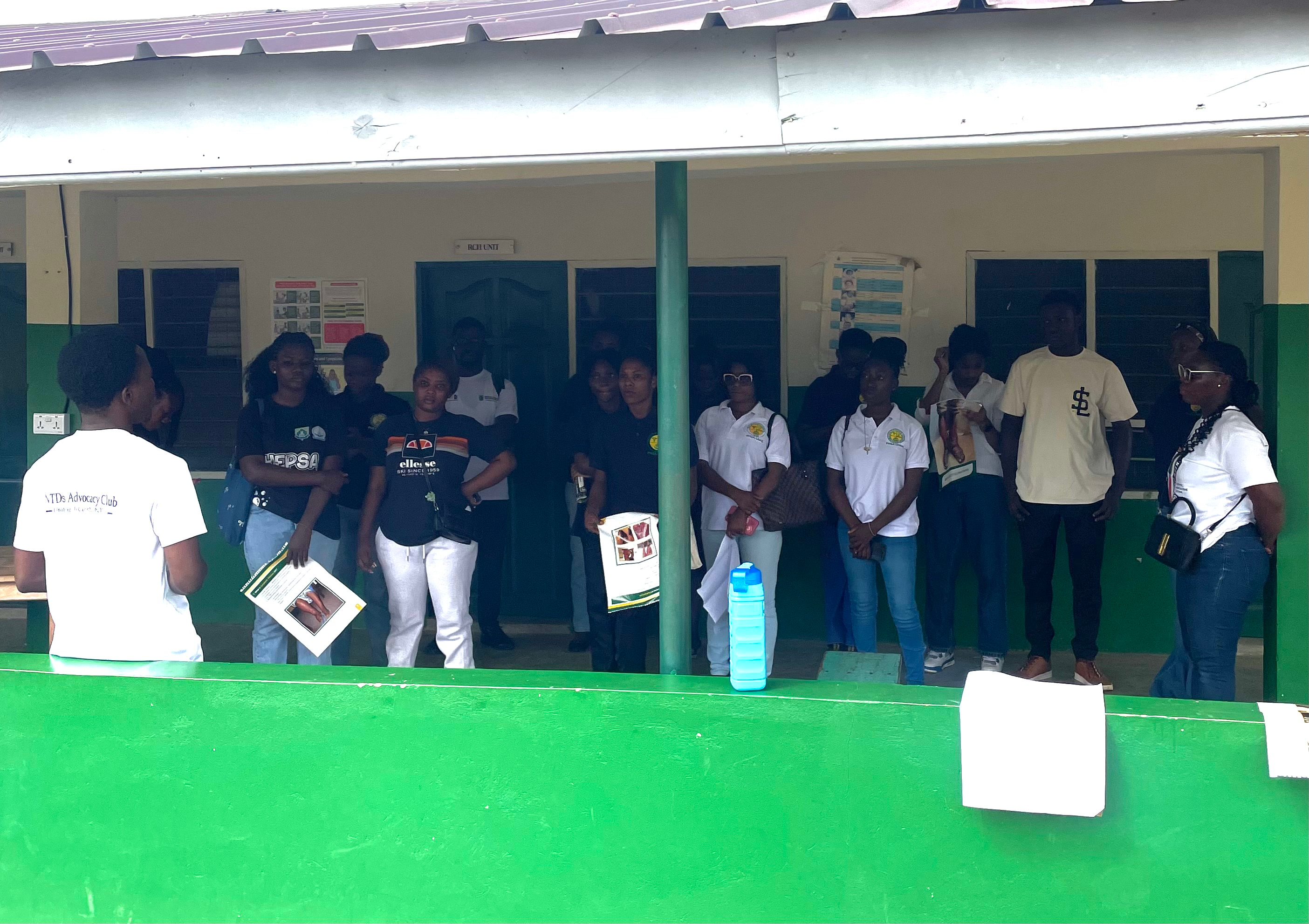
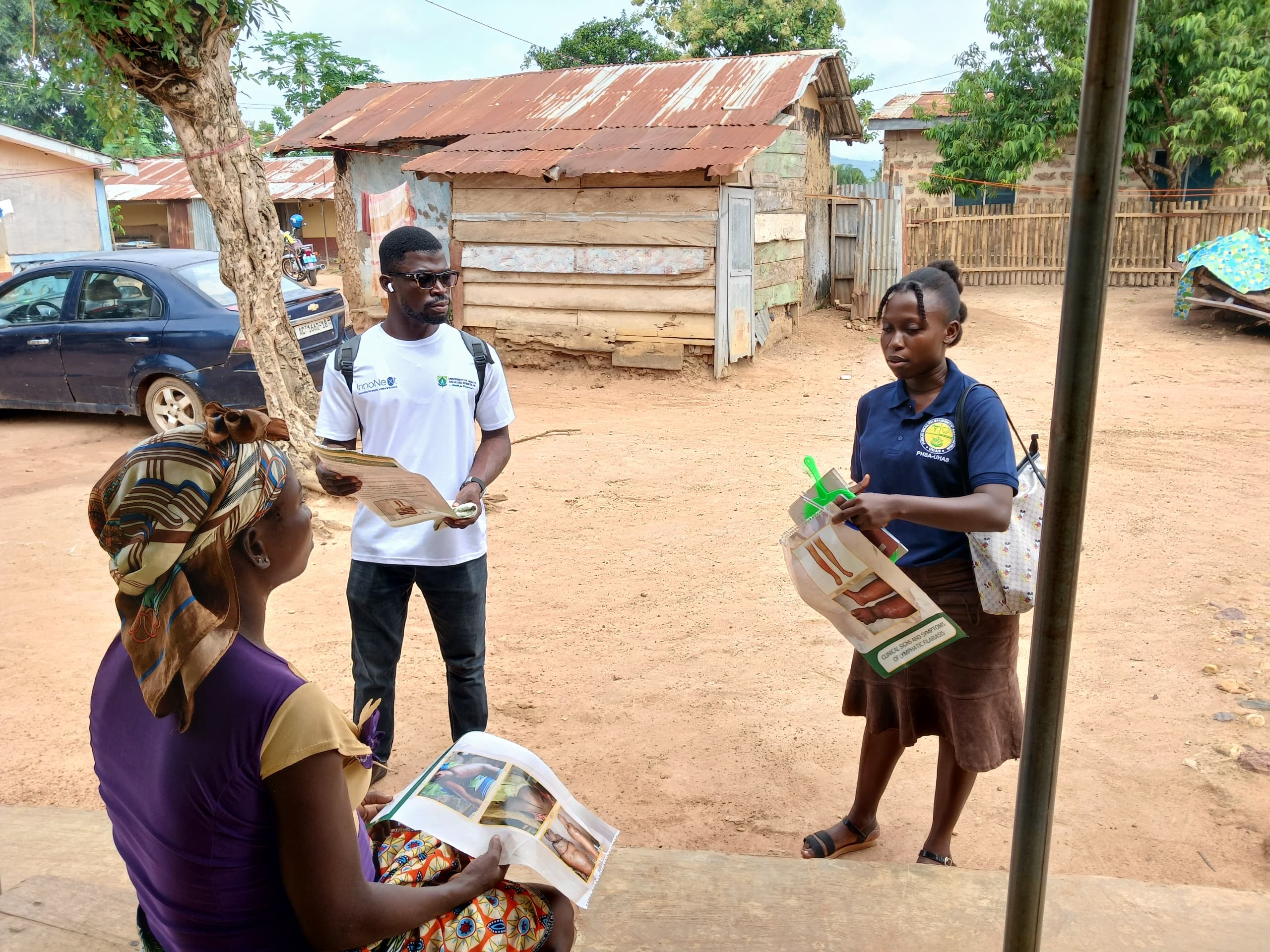
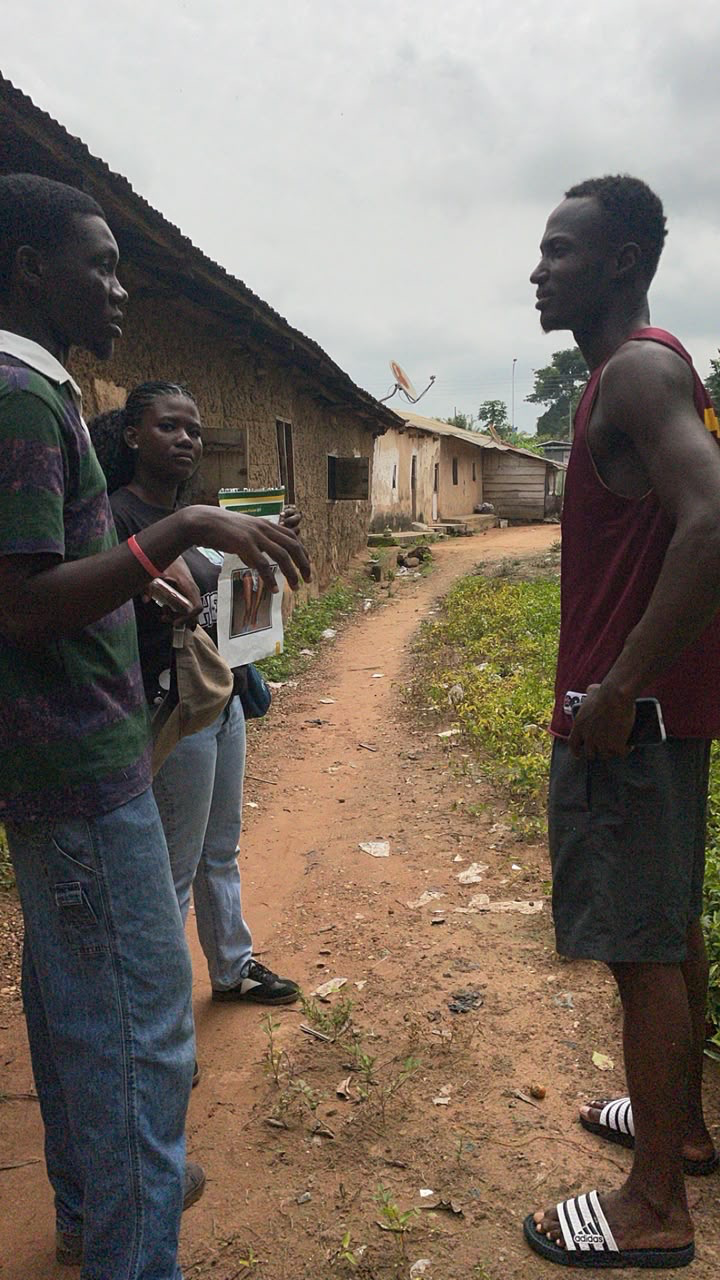
The NTDs advocacy club in University of Health and Allied Sciences Ghana led by the president (Pious Aboagye) took charge to mobilize a team of 40 passionate student volunteers, we embarked on a mission to the Adabraka community in the Hohoe municipality to raise awareness about lymphatic filariasis, a neglected tropical disease that continues to affect lives in Ghana and other tropical regions.
Why We Chose Adabraka
Data from the Hohoe municipality revealed that lymphatic filariasis is endemic in the community. This alarming reality strongly influenced our decision to carry out the outreach there. We knew that education and advocacy were critical tools to dispel myths and empower residents with accurate knowledge.
Community Entry
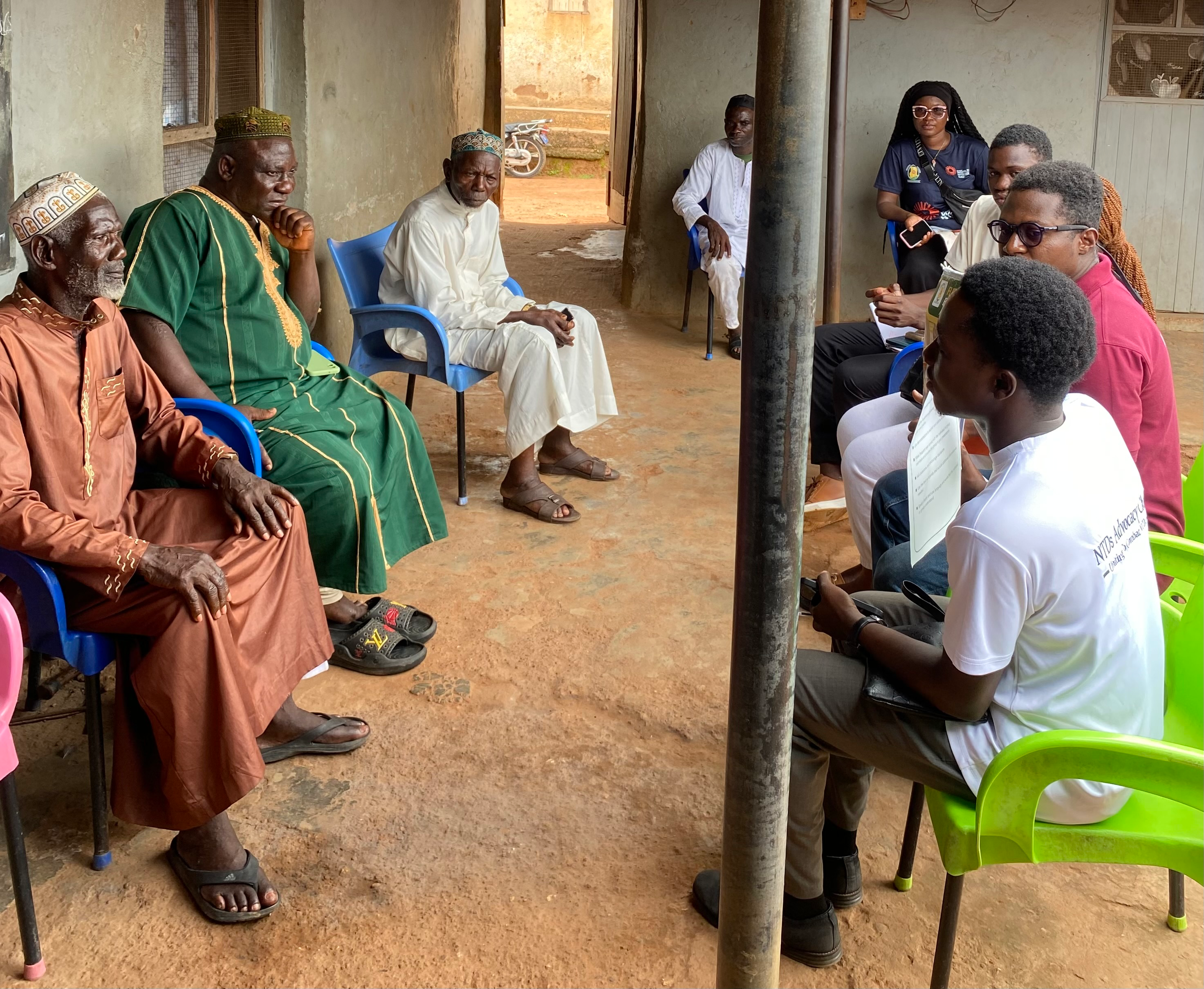
Before beginning, we respectfully engaged the chiefs and the assemblyman. Their support was vital in opening doors and ensuring that our message reached households with trust and legitimacy.
Breaking Myths and Educating
During the outreach, one lady mentioned that the disease was caused by a curse. This highlighted the importance of our mission: to replace misconceptions with facts. We educated the community on:
Causes: spread by mosquito bites, not curses.
Signs and symptoms: including swelling of limbs and discomfort.
Preventive measures: such as mosquito control and mass drug administration.
Impact in Numbers
82 households reached
120 individuals educated
7 suspected cases identified and referred to the hospital for further management
These numbers reflect not just statistics, but lives touched and hope restored.
Reflections
The outreach was more than an educational campaign; it was a bridge between science and culture, between health and belief. By engaging leaders and directly addressing misconceptions, we strengthened community resilience against lymphatic filariasis.
More from Neglected Tropical Diseases Advocacy Club, Ghana
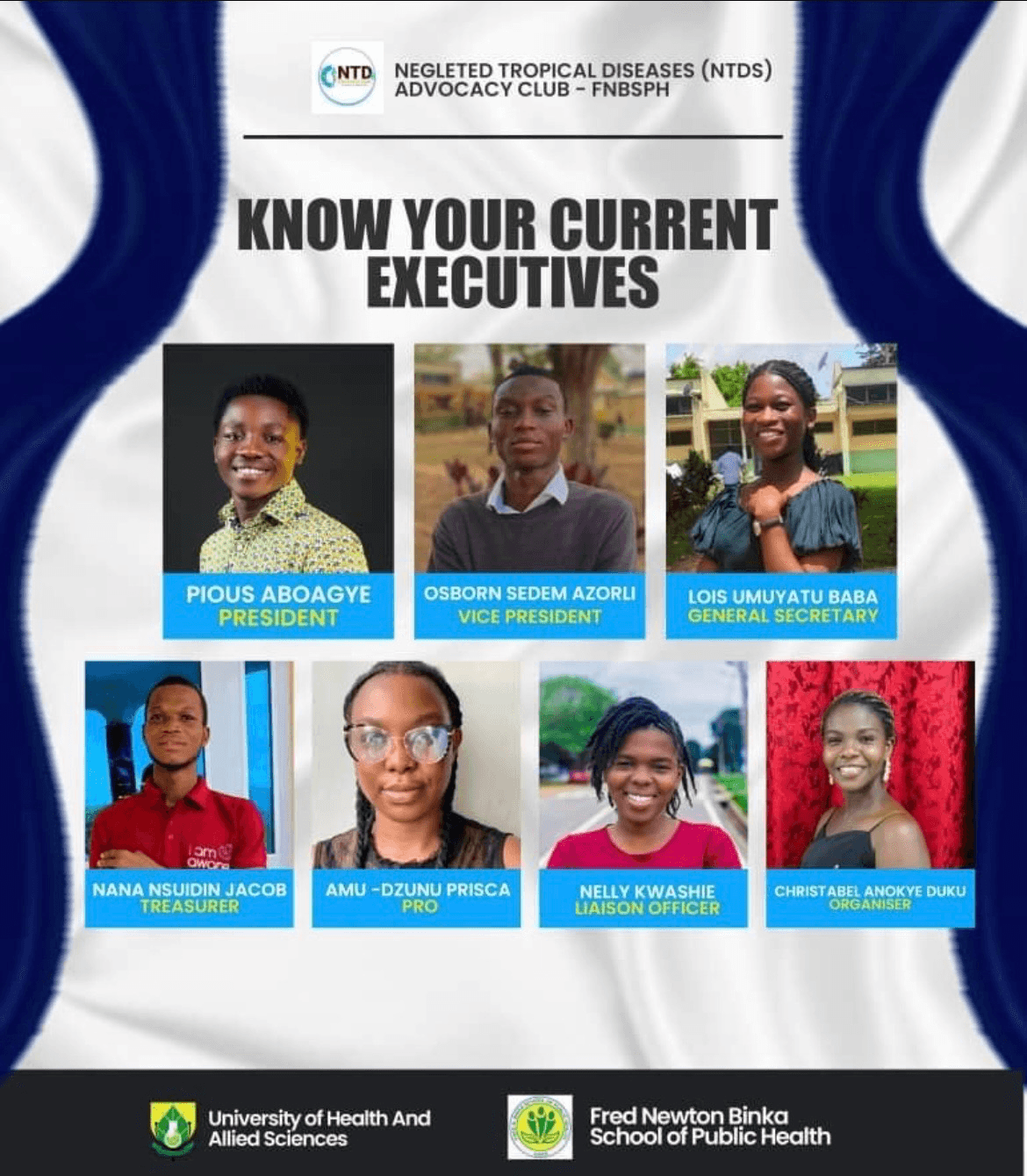
Passing the Baton: A New Chapter for the NTD Advocacy Club (UHAS-FNBSPH)
The outgoing executive team, led by Pious Aboagye, laid a strong foundation of community outreach, public education, and advocacy to combat neglected tropical diseases.

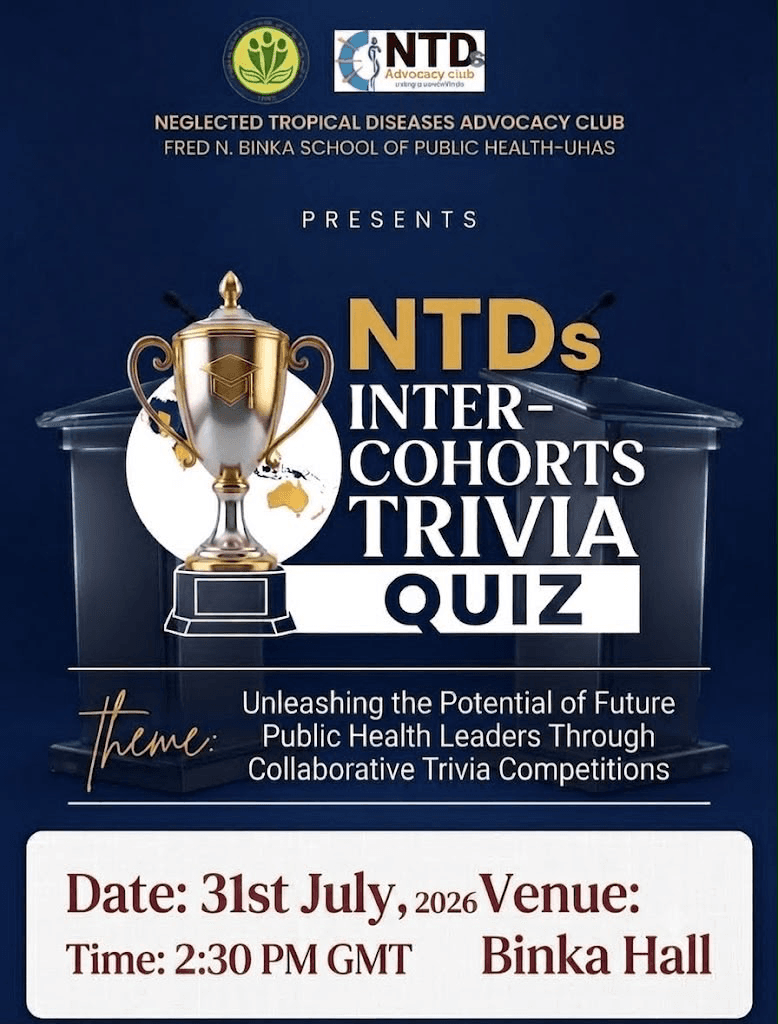
Level 400 Takes the Crown at the Inaugural NTDs Advocacy Inter-Cohort Quiz Competition!
The atmosphere in the auditorium was electric as representatives from all four levels (Level 100 through Level 400) faced off on stage. With intense rounds covering etiology, transmission, clinical manifestations, prevention, and control strategies for various NTDs, every cohort fought hard to claim the ultimate championship trophy.