Stories from the Frontline: Beryl Adenyo’s Journey with Bilharzia
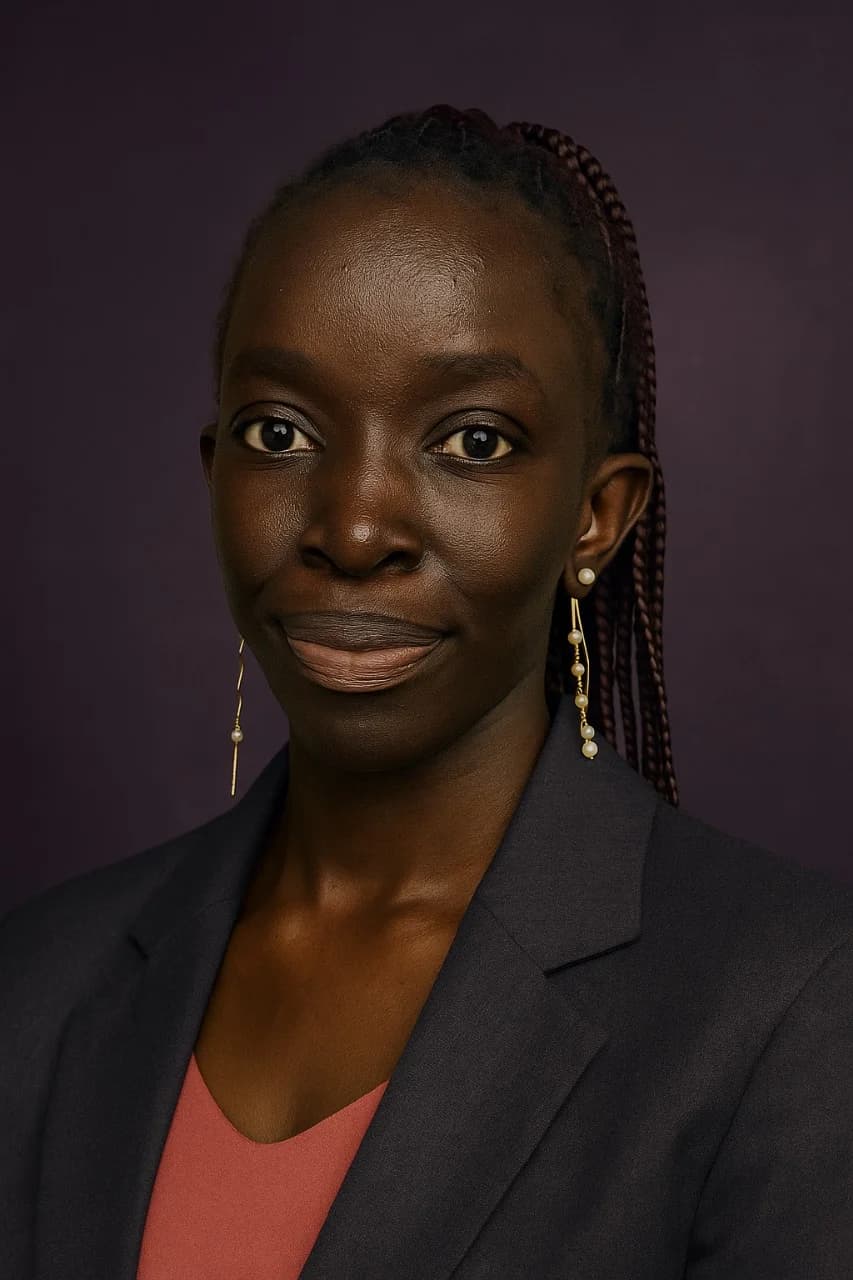
“I went through three months of pain, fear, and confusion only to realize it was something our health system never prepared me for.” Beryl Adenyo, Youth Health Champion.
In the heart of Homabay County, where lush landscapes meet the challenges of rural life, rivers serve as a lifeline, providing water for drinking, cooking, and daily survival. Still, sometimes these same rivers carry silent threats. For Beryl Adenyo, a passionate youth health advocate, that reality hit close to home in a way she never expected.
In 2023, Beryl made a life-changing move from a semi-urban environment to a small rural village, where she settled with her fiancé. Adjusting to a new lifestyle came with the natural rhythm of the community, drawing water from the nearby river, sharing local customs, and embracing the slower pace of rural living. But not long after, her health began to deteriorate.
When Illness Creeps In Silently
At first, the symptoms were vague fatigue, body aches, fever, and nausea. Like many in her region, she assumed it was malaria, an all-too-common affliction. She did what anyone else would do: visited local clinics and got tested, but the results were baffling, repeated negative malaria tests. Other possibilities were explored: pregnancy tests, HIV tests, and STI screenings, but all returned negative. Doctors prescribed painkillers and antibiotics, yet her condition worsened. Soon, more alarming symptoms emerged: burning pain while urinating, bloody urine, intense abdominal cramping, and chronic fatigue that made simple daily activities unbearable.
Misunderstood. Misdiagnosed. Isolated.
“I was constantly questioned about my condition, some people thought I was hiding a pregnancy, others believed I was bewitched,” Beryl shares. “Even I began to question what was happening to me.”
Despite her active role as a youth advocate in sexual and reproductive health, Beryl had never encountered discussions about bilharzia, a neglected tropical disease (NTD) that affects millions globally, especially in poor and remote communities. Neither her formal training nor her interactions with medical professionals had prepared her for the reality that her symptoms could be caused by a parasitic infection contracted from river water, something so common in her environment yet so rarely spoken about in health discourse.
A Turning Point Through Community Research
After three months of suffering in silence, an unexpected opportunity arrived. A friend and fellow advocate informed her of a community-based research and screening initiative by KEMRI, focused specifically on schistosomiasis. Though skeptical, Beryl decided to attend. It was a decision that would finally put a name to her pain.
At the session, she heard something that shook her to the core: a health expert listing symptoms that matched hers perfectly. Urine tests, stool samples, and an ultrasound were followed. The diagnosis? Schistosomiasis a waterborne parasitic disease that she had unknowingly contracted.
For Beryl, it was a bittersweet moment. Relief swept over her as she finally had an answer, but so did heartbreak.
“If someone had tested for this earlier, I wouldn’t have gone through so much pain,” she reflected.
Beryl’s Story is a Wake-Up Call
Beryl’s journey highlights a painful truth: that neglected tropical diseases remain neglected not only in funding and policy but also in awareness, diagnosis, and conversation. In many communities like hers, NTDs are either unknown or misunderstood, leading to misdiagnosis, delayed treatment, stigma, and preventable suffering.
Her experience reveals the deeper systemic gaps:
A lack of training for health workers in recognizing NTDs
Limited access to proper diagnostic tools in rural clinics
Cultural taboos around symptoms associated with NTDs
The overwhelming focus on diseases like malaria, HIV, and tuberculosis, while millions quietly suffer from illnesses like schistosomiasis, soil-transmitted helminths, or lymphatic filariasis
The Call to Action
Beryl’s voice is one among many, but it carries a powerful message: we must do better. Her story is about being failed by a system that didn’t know where to look and being failed by silence when speaking out could have saved others. At GANE, we believe in the power of frontline voices to shape policy, education, and community action. We call on all stakeholders—governments, healthcare workers, researchers, and community leaders—to take the following steps:
Raise awareness about schistosomiasis and other NTDs in both medical and community settings.
Collaborate with organizations like KEMRI to scale up local screenings and health education.
Train frontline health workers to detect and treat NTDs effectively
Integrate NTD education into sexual and reproductive health programs and school curricula.
Break the silence around symptoms often stigmatized or misinterpreted, especially among women and girls.
Towards a Future Free of NTDs
As we aim for the elimination of NTDs by 2030, Beryl’s story is a stark reminder that data and diagnostics must be accompanied by empathy and action. We cannot fight what we do not understand, and we cannot cure what we refuse to see.Let us start by listening to the voices on the front line. Let us ensure that no one else goes through what Beryl endured, not because we lacked the tools, but because we failed to care enough.
Listen to Beryl's story here:
Have a Story to Share? Are you a health worker in the NTDs space or someone with lived experience of an NTD? We want to hear from you. Share your story with us at [ganekenya@gmail.com]. or tag us on social media using #NTDstoriesfromthefrontline
Together, we can end the neglect, one story at a time.